
Luxury Brand Pop Up Design: A 90 Day Plan Beyond the Sale

The best luxury pop-ups are hospitality-first, narrative-driven environments built to maximize dwell time and cultivate high-value relationships. Design narrative, attentive service, and measurable outcomes work together: a story that justifies the brand’s presence, a hospitality layer that makes guests want to stay, and metrics that prove the investment earned its keep.
TL;DR:
The BooMont Hotel activation at Galleria Dallas drew nearly 31,000 visitors, generated more than $250,000 in ticket revenue, and lifted tenant sales 8.2%.
Reserve roughly 25 to 30 square feet per guest in consultation or VIP zones, and separate arrival, browsing, private conversations, and checkout into clear stages.
U.S. temporary activations must meet the 2010 ADA Standards; bars and catering also require liquor licensing, health approvals, and added infrastructure.
Use a social backdrop or QR code to capture guest data, then follow up after visits and link point of sale systems to home delivery.
Table of Contents
Why luxury pop-ups work: goals and measurable outcomes
A luxury pop-up succeeds when it builds relationships instead of chasing a transaction. The strongest activations invite visitors to linger, converse, and return, rather than simply browse and buy, which is why pop-ups perform best as relationship-building hubs that reward unhurried exploration.
Brands typically pursue one of three goals: building awareness in a new city, testing a market before committing to a permanent lease, or acquiring loyalty data from a highly specific clientele. Each goal calls for different success metrics, from foot traffic and dwell time to ticketed revenue and earned media reach.
The BooMont Hotel pop-up at Galleria Dallas welcomed nearly 31,000 visitors and generated more than $250,000 in ticket revenue, alongside an 8.2% lift in tenant sales. That combination, attendance paired with direct revenue and a measurable halo effect, is the benchmark worth designing toward.

Design principles for luxury brand pop-ups
Every successful pop-up tells one story well rather than several stories poorly. Pick a single narrative thread, anchor it with a sensory cue (a signature scent, a recurring sound, a material that appears throughout), and let that thread guide every design decision from the entrance to the final touchpoint.
Zoning matters as much as styling. Guests should move through distinct, legible phases: an arrival moment that sets tone, a discovery zone for open browsing, a private consultation area for serious conversations, and a checkout or ship-to-home experience that closes the loop without friction. Our own space-planning guidance for VIP lounge design applies directly here, particularly around allotting enough square footage per guest to keep private zones from feeling transactional.
Materials carry the weight of the narrative. Custom furniture, considered lighting, and finishes that reward close inspection separate a luxury activation from a branded tent. Modular systems deserve particular attention, since they allow a single build to tour multiple cities without losing design integrity.
Hospitality gestures are what convert a visit into a memory:
Offer a seated refreshment moment rather than a self-serve station.
Greet guests by name when RSVP data allows it.
Staff the space with people who can speak fluently about the brand’s craft, not just its price point.
Build in a private moment, even five minutes, with a specialist or stylist.
Pro Tip: Design one deliberate pause into the guest journey, a seated tasting, a private fitting, a consultation, because that pause is almost always where dwell time and intent to purchase both increase.
Execution checklist: permits, accessibility, logistics, and staffing
A pop-up’s design only matters if it opens on time and operates without incident. Treat the following as a sequence, not a list to complete in parallel.
Confirm local permitting requirements early, including signage, temporary structure approval, and fire code review, since timelines vary by jurisdiction and can stall a build.
Build for accessibility from the first floor plan. Pop-up events in the United States must meet the 2010 ADA Standards for Accessible Design, which require accessible routes, entrances, and amenities even for temporary activations.
Map infrastructure needs before the build begins: power load for lighting and appliances, water access if there is a bar or catering component, HVAC for guest comfort, drainage for beverage service, and a clear load-in staging plan.
Staff for the experience you are selling. Luxury hospitality calls for a higher staff-to-guest ratio than standard retail, with specialists such as personal shoppers and sommeliers trained specifically on the brand’s story, not generic selling scripts.
Plan the full calendar in phases: design and permitting, build, live run, and teardown, each with its own budget line and a contingency reserve for the inevitable permit delay or vendor substitution.
Integrating a full bar or private catering program adds its own layer of planning, since liquor licensing, health department requirements, and additional infrastructure rarely fit within a standard retail build timeline. Our breakdown of common ADA compliance gaps in live events is worth reviewing before finalizing any floor plan.
Digital and social integrations that amplify event impact
A pop-up’s physical design should give guests a reason to photograph it, and the digital layer should give them a reason to act after they leave. The two work together: a beautiful backdrop without a data-capture strategy is a missed opportunity, and a data strategy without a photogenic moment rarely gets used.
Design at least one backdrop or installation moment with social sharing in mind, lit and framed deliberately rather than as an afterthought.
Use NFC-enabled photo mementos or QR-coded content layers so guests can take a piece of the narrative home digitally.
Consider interactive touches like magic mirrors, which pair well with immersive activations that capture data for post-visit engagement.
Sync point-of-sale systems so a guest who tries something in-store can complete the purchase seamlessly, in-store or shipped home.
Sequence the digital experience in three stages: a pre-visit teaser that builds anticipation, an on-site layer that deepens engagement without pulling attention from the physical design, and a post-visit follow-up that converts a memorable afternoon into a lasting relationship.
Short case examples that map principles to real activations
A few recent activations illustrate how these principles play out commercially.
Bal Harbour Shops’ Access Pop-up used modular storefronts and loyalty gating to bring a traveling luxury cluster into underserved markets, pairing high-tech showroom e-commerce with personal shopper service.
The BooMont Hotel at Galleria Dallas turned vacant storefronts into a seasonal destination, drawing nearly 31,000 visitors and more than $250,000 in ticket revenue, proof that an immersive concept can outperform a conventional storefront.
Travel-themed brand tours, including luggage and beauty labels, lean into hospitality framing and shoppable, ship-to-home models that extend the activation’s reach well past its physical footprint.
Bonnie Rae’s practical playbook for pop-up conversion
Our own approach treats the first 90 days as a conversion arc, not a single event date. The full breakdown lives in our 90-day conversion plan for tasting events, but the rules of thumb hold across most luxury activations: allocate roughly 25 to 30 square feet per guest in any consultation or VIP zone, staff hospitality roles at a ratio that allows genuine conversation rather than crowd management, and treat every RSVP as the start of a CRM relationship rather than a headcount.
Examples and case studies of luxury pop-ups
High-concept activations tend to share a willingness to borrow from hospitality rather than retail. A pop-up styled as a garden, a hotel, or a travel lounge signals to guests that they are entering an experience, not a store. One widely cited New York activation drew significant pedestrian impressions during a short run, a reminder that location and concept together can outperform a longer-running, lower-concept space.
The common thread across standout activations is restraint paired with ambition: one strong idea, executed with hospitality-grade attention to detail, rather than several competing concepts crammed into one footprint. Immersive pop-ups used to test new markets often justify their higher production costs through ticketing, sponsorship, or partnership revenue, which shifts the financial conversation from pure marketing spend to a measurable commercial channel.
Guest arrival deserves the same design attention as the interior. Coordinating VIP transport and arrival logistics sets the tone before a guest ever steps through the door, and for ultra-high-net-worth clientele, that first few minutes often shapes the entire visit.

Author perspective: where to invest in luxury pop-ups in 2026
We would put next year’s budget into hospitality staffing and modular builds that can tour, not just launch once and disappear. Social-ready design matters, but only when it is tied to data capture that feeds a loyalty program. The brands that win treat a pop-up as the opening chapter of a longer guest relationship, not a standalone event.
— Bonnie Rae
How we can help bring your pop-up to life
Luxury brand installations are designed and produced with hospitality discipline similar to that used for private events: discreet service, vetted staffing, and a bar and sommelier program that turns a browsing moment into a hosted experience.
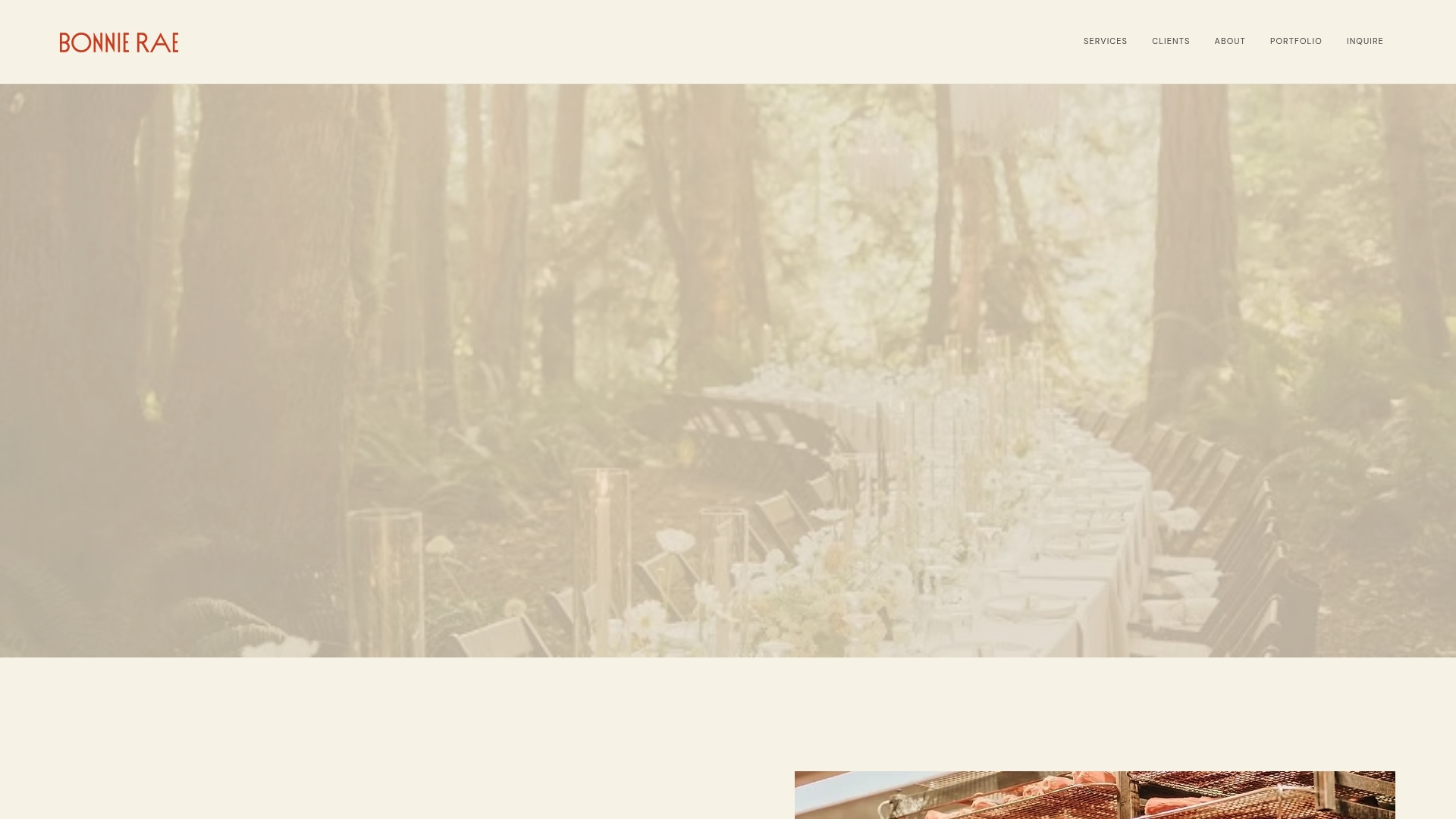
If you are planning a pop-up and want a team that handles everything from venue scouting to guest experience design, request a proposal through our services page and we will walk you through what a hospitality-first activation could look like for your brand.
FAQ
What are some of the best brand pop-ups?
Standout examples include Bal Harbour Shops’ traveling Access Pop-up, which used modular storefronts and loyalty gating to reach underserved markets, and The BooMont Hotel at Galleria Dallas, which drew nearly 31,000 visitors and more than $250,000 in ticket revenue. Both activations paired a strong narrative concept with measurable commercial results, including significant visitor attendance and revenue.
What are some creative ideas for pop-ups?
Strong concepts borrow from hospitality rather than retail, such as a garden, a hotel, or a travel-themed lounge that frames the brand as an experience rather than a storefront. Pairing a photogenic backdrop with NFC mementos or magic mirrors extends the moment into shareable, data-generating content after the visit.
What are pop-ups for brands?
A pop-up is a temporary retail or brand activation used to build awareness, test a new market, or deepen loyalty with an existing audience. Pop-ups work best as relationship-building spaces that invite guests to linger rather than purely transactional stores.
Do luxury pop-ups need to follow accessibility laws?
Yes, pop-up events in the United States are required to meet the 2010 ADA Standards for Accessible Design, which cover accessible routes, entrances, and amenities even for temporary builds. Planning for compliance from the first floor plan avoids costly redesigns later in the build process.
How do brands measure success for a pop-up?
Common metrics include total visitor counts, ticketed or direct revenue, and the sales lift seen by surrounding tenants or retail partners. The BooMont Hotel activation, for instance, generated more than $250,000 in ticket revenue and an 8.2% tenant sales lift, showing how a well-designed pop-up can produce results beyond its own footprint.
Sources
Recommended
Comments