
Affluent Hosts: 90 Days to Lock Contract-Ready VIP Dinner Seating

The most reliable path to guaranteed VIP dinner seating is hiring a bespoke luxury event producer or securing a verified VIP package well ahead of your date. Either route guarantees a reserved table and dedicated hospitality staff for the evening. Both also strip out the friction of walk-in uncertainty, protect your privacy, and bundle logistics, from valet to menu curation, into a single point of contact.
TL;DR:
Booking well in advance, at least several weeks for private rooms or marquee events, is crucial to secure the desired VIP space and favorable terms.
The total cost depends on factors like location exclusivity, attached entertainers or chefs, and included transportation, with premium packages starting in the low thousands per guest for top-tier events.
A complete VIP package must include a dedicated server, private access, curated menu options, and privacy features like no-photo policies to truly deliver an exclusive experience.
Final seat assignments are usually confirmed within 48 to 72 hours of the event, but larger or highly customized bookings should be started ninety days ahead.
Cancelation policies typically include strict deadlines within 48 to 72 hours, with forfeitures often applied if canceled late, especially for private room or high-demand bookings.
Table of Contents
How to book VIP dinner seating and secure your preferred table
What to expect at the event: arrival, service flow, and hospitality signals
Practitioner checklist and seating-plan best practices from Bonnie Rae
Cancellation policies and fees associated with VIP dinner seating
Tips for upgrading or negotiating better VIP seating options
Common red flags or pitfalls to avoid when booking VIP dinner seating
How Bonnie Rae delivers guaranteed, bespoke VIP dinner seating
What VIP dinner seating typically includes
A genuine VIP dinner seating arrangement is defined by what surrounds the table, not just the table itself. A reserved table in the main room gets you priority placement and a dedicated server, but a private room buys you walls, a closed door, and a guest list you control. Understanding this difference matters before you sign anything, because luxury hospitality has moved toward curated, personalized experiences rather than the loud, transactional bottle-service model of a decade ago.
A complete package should include:
A dedicated server or small service team assigned solely to your table or room.
A host or concierge who manages arrival, seating, and any mid-service requests.
Priority entry that bypasses general lines or holds.
A curated menu, often with sommelier or beverage-program input built in.
Private lounge access when the venue offers a separate VIP area.
The extras separate an adequate night from an exceptional one. Valet staging, coat check, discreet security, private restrooms, and a clear no-photo or privacy policy all belong in the conversation before you commit. Ask specifically whether the venue enforces privacy for its VIP sections. Many do not, and that gap is where evenings go wrong for guests who value discretion as much as service.
How VIP seating prices are structured and what drives cost
VIP dinner pricing tends to follow one of three shapes: a per-head package price, a minimum spend applied to the table or room, or a full private-room buyout with its own flat fee. Bottle or beverage-service minimums often layer on top of any of these, though the format itself has shifted. Modern bottle service now favors curated cocktails and tailored presentations over the old high-markup, bottle-count model, which changes how that line item should be priced and negotiated.
Several factors move the number up or down:
The date and whether it coincides with a marquee event or holiday.
Whether a named chef, mixologist, or entertainer is attached to the evening.
The exclusivity of the view, table position, or room.
Included transportation or shuttle service.
Gratuity and tax treatment, which are sometimes bundled and sometimes not.
Marquee events set the ceiling for what “premium” costs. At the high end, all-inclusive premium dining packages at major events can start in the low thousands per guest, as seen with Millionaires Row at Churchill Downs. That figure is a useful anchor for what a fully loaded, top-tier package looks like when every extra is included.
How to book VIP dinner seating and secure your preferred table
Booking VIP seating well is a matter of timing and phrasing, not just budget. Restaurants and venues respond best to personal, human booking interactions, and the window between 2 and 5 p.m. tends to reach a manager or VIP coordinator directly rather than a host stand fielding a dozen calls at once.
Call during the 2 to 5 p.m. window and ask for the manager or VIP coordinator by title.
State your occasion and budget plainly, and ask that both be added to the reservation notes in the venue’s booking system.
Request specific logistics up front: entry point, private access, and any dietary or allergen notes.
For groups larger than six to eight guests, ask directly whether a private room is available rather than accepting a large table in the main room.
Confirm lead time expectations and cancellation terms before you provide payment details.
For guaranteed access without the phone-tag, private dining clubs and membership programs are worth considering. Private dining clubs are expanding and offer reservation-free access with membership pricing that varies by club and tier, which removes the uncertainty of a single night’s booking entirely. Professional event producers can achieve the same certainty without a membership commitment, since the table is built around your date rather than the reverse.
Pro Tip: Ask the venue to confirm your reservation notes in writing, even a short text, so nothing depends on what one staff member remembers from a phone call.
What to expect at the event: arrival, service flow, and hospitality signals
A well-run VIP evening announces itself before you sit down. Arrival should involve will-call or photo ID matching against a guest list, sometimes with a wristband or credential for larger events, and valet staging that keeps your car ready without a wait at departure.
Once seated, the service flow tells you whether the package delivers on its promise:
A welcome reception or amuse-bouche while the table settles in.
Plated service paced deliberately, or a family-style rhythm if that suits the group.
A wine or cocktail pairing cadence that matches the meal rather than rushing ahead of it.
A clear dessert moment rather than an abrupt check drop.
Privacy signals matter as much as the food. Ask in advance how the venue handles photo requests from other guests, and confirm that allergen and special-request notes actually reached the kitchen, not just the front desk. Staffing ratios reveal the rest: a table with one server managing four other tables is not receiving VIP treatment, whatever the menu says.
Practitioner checklist and seating-plan best practices from Bonnie Rae
Contract-ready specifics separate a good VIP evening from a merely expensive one. In our production work, a VIP lounge needs roughly 25 to 30 square feet per principal host to allow real circulation rather than a crowded holding pen, a detail worth requesting in VIP lounge design planning. Seating itself should be engineered, not defaulted: place conversation anchors and table captains opposite key guests so the room works socially, not just visually, a principle we cover in our seating plan approach for hospitality-first dinners.
A few operational specs belong in every contract:
A dedicated server per a reasonable number of guests for a plated dinner.
A private access point or staff entry that keeps VIP arrivals separate from general guest flow.
Written valet specifications, including staging time and vehicle handling.
A no-photos clause and a documented allergen-handling protocol.
Groups larger than six to eight guests consistently produce better outcomes in a private room than at an oversized table in the main room, a threshold worth holding firm on regardless of what a venue initially offers. Place these terms directly in your reservation notes or contract rider, not in a verbal aside to the host.
Pro Tip: Put dietary, privacy, and arrival logistics in writing inside the reservation itself, not as a side conversation with whichever staff member answers the phone.
How long does confirming VIP dinner seating actually take
The gap between an initial request and a confirmed seat assignment depends heavily on the venue and the size of the ask. A single VIP table at an established restaurant can often be confirmed within a few days once the manager logs your request and checks the calendar against other holds. A full private room, or a request tied to a marquee event weekend, typically needs several weeks of lead time to lock in, since those spaces sell out first and get reallocated if a deposit does not follow quickly.
Final seat assignment, meaning the literal placement within the room, is usually the last piece to firm up. Venues tend to hold general confirmation early but finalize exact table numbers or room layouts closer to the event date, sometimes within 48 to 72 hours, once they know the full guest count and any last-minute changes. For events booked through a production company rather than directly with a venue, this timeline compresses considerably, because the producer is negotiating the hold and the final layout simultaneously rather than waiting in a queue behind other requests.
The larger the group or the more customized the request, such as a private chef pairing or a specific room configuration, the earlier you should start the conversation. Ninety days out is a reasonable target for anything involving a full buyout or a high-demand date.

Cancellation policies and fees associated with VIP dinner seating
Cancellation terms for VIP seating are rarely as forgiving as a standard reservation, and that is by design. A held table or private room represents lost revenue for the venue if it cancels late, so most VIP and private-dining agreements carry a defined cancellation window, often 48 to 72 hours before the event, after which some or all of a deposit becomes non-refundable.
Minimum-spend agreements complicate this further. If your evening was booked against a spending minimum rather than a flat package fee, canceling close to the date may still obligate you to a percentage of that minimum, even if the table goes unused. Private-room buyouts tend to carry the strictest terms, since the venue cannot easily resell that space on short notice.
Before signing anything, ask three direct questions: what is the exact cancellation deadline, what percentage of the deposit or minimum is forfeited after that point, and whether the policy changes for weather, illness, or other circumstances outside your control. A reputable venue or production partner will answer all three without hedging. If the answer is vague or buried in fine print, treat that as a signal to renegotiate the terms before you commit any money.
Tips for upgrading or negotiating better VIP seating options
Upgrading VIP seating is less about asking for more and more about asking earlier and more specifically. Venues and producers have more flexibility to accommodate a better table, an added service element, or a rate adjustment when the request comes weeks ahead rather than the day before.
Loyalty and history carry real weight. A guest or household that has booked with the same venue or production company multiple times has standing to ask for a better table, a complimentary upgrade, or a waived minimum, and most managers will work to keep that relationship intact. Flexibility on date or time also opens doors: offering to shift your reservation by even thirty minutes can unlock a room or table that was otherwise held for another party.
Entertainment is an underused lever in these conversations. Adding a live element, such as a curated musical program built around the evening, often gives a venue or planner a reason to prioritize your booking over a standard table request, since it signals a higher-value event worth accommodating well.
Finally, negotiate the full package rather than the table alone. Asking a venue to include valet, a specific wine pairing, or a private entry point as part of the same conversation tends to produce better results than negotiating each element separately after the reservation is already locked.

Common red flags or pitfalls to avoid when booking VIP dinner seating
The clearest red flag is a venue or contact who cannot describe what “VIP” actually includes beyond a better table. If a coordinator cannot name the server ratio, the privacy policy, or what happens if your party runs late, the package is likely undefined in ways that will surface as problems on the night itself.
Vague pricing is another warning sign. A minimum spend or package fee that arrives without a written breakdown, particularly around gratuity and tax treatment, tends to produce disputes at the end of the evening rather than clarity going in. Ask for that breakdown before you confirm, not after.
Watch for venues that oversell their VIP sections. A private lounge that looks spacious on a floor plan but seats far more guests than it comfortably holds will feel crowded and undermine the exclusivity you are paying for. Similarly, be cautious of any producer or venue unwilling to put privacy terms, such as a no-photos clause, in writing. Verbal assurances rarely hold up once other guests or staff are involved.
Last, avoid last-minute bookings for anything involving a private room or a marquee date. Rushed confirmations are where cancellation terms, service ratios, and menu customization all tend to get skipped in the interest of just getting a table held.
What most VIP dinner advice gets backward
Most guidance on VIP dinner seating treats the table itself as the prize, when the real value sits in what surrounds it: the privacy terms, the staffing ratio, the written confirmation of a dietary note. A beautifully placed table with an overworked server and no privacy clause is not a VIP experience, regardless of what the reservation system calls it.
The conventional advice to simply “ask for the best table” also undersells how much of this is engineered in advance rather than negotiated on arrival. Seating plans, service ratios, and access points are decisions made days or weeks before your car pulls up, not requests you can improvise at the host stand.
If there is one priority worth holding above the rest, it is this: put every expectation in writing before the date, from allergen handling to the cancellation deadline. Hosts who do this consistently get the evening they pictured. Hosts who leave it to a verbal promise usually do not.
— Bonnie Rae
How Bonnie Rae delivers guaranteed, bespoke VIP dinner seating
Booking a table is one decision. Building an entire evening around it, from the room to the staffing to the last pour of wine, is a different job entirely, and it is the one we do at Bonnie Rae.
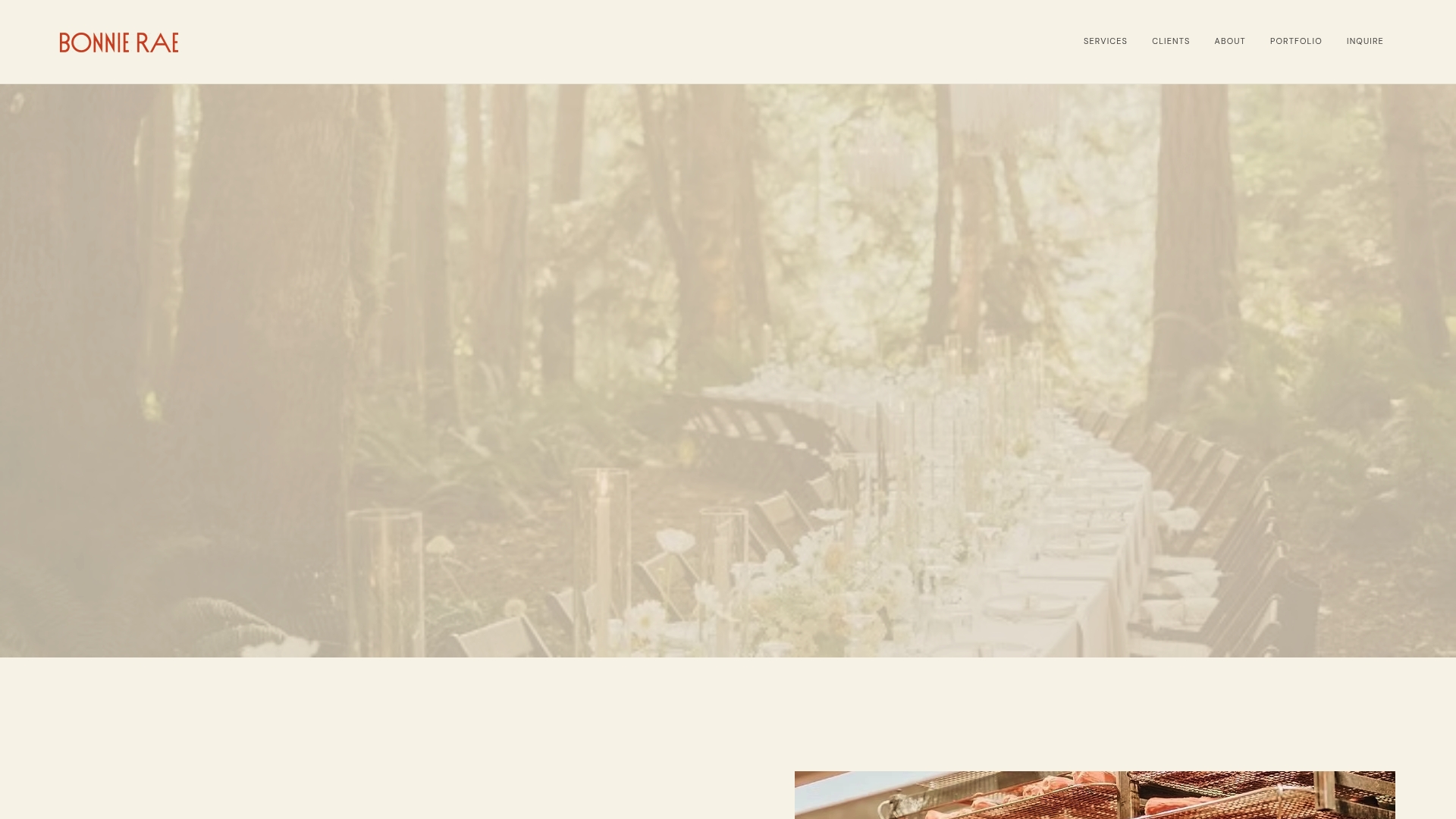
Our full-service event production covers the pieces that make VIP seating actually feel VIP:
Full event production, from venue selection to final walkthrough.
Private dining and catering built around your guest list, not a set menu.
VIP lounge design and vetted, highly trained staffing.
Contract-ready valet specifications and private access planning.
A bar and sommelier program suited to the evening’s tone.
To get a proposal moving, have your guest count, occasion, privacy requirements, date flexibility, and rough budget range ready. From there, we handle the rest, including any negotiations with venues on your behalf. Visit Bonnierae to start the conversation about your next evening.
Sources
FAQ
Where can I find VIP seating for major theme park shows?
Priority or VIP viewing packages for theme park entertainment are typically sold directly through the park’s dining or events booking system, often bundled with a dinner reservation. Availability is limited and tends to sell out weeks ahead for peak dates, so booking early through the official channel is the most reliable approach.
What does priority seating mean at a restaurant?
Priority seating means your reservation is placed ahead of walk-ins and standard bookings, often with a specific table held and a shorter wait even during busy service. It does not automatically include the added extras of a full VIP package, such as a dedicated server or private lounge access, so it is worth confirming what is included before assuming the two are the same.
Is a dinner package with show or event access worth the price?
Whether a bundled dinner and show package is worth it depends on whether the seating location, service level, and inclusions match what you would otherwise pay separately for a comparable table and ticket. For hosts prioritizing guaranteed placement and reduced planning effort, a well-structured package can be worth the premium, particularly for marquee dates when standalone options sell out.
What does a typical theme park dining package include?
A typical dining package built around a park event usually includes a reserved seating area, a fixed or semi-fixed menu, and a viewing location for the associated show or performance. Higher-tier packages may add priority entry or a more exclusive viewing angle, though specific inclusions vary by park and package tier.
How far in advance should I book VIP dinner seating?
For a single VIP table, a few days to two weeks of lead time is often enough at an established venue. For a private room, a marquee event date, or a fully customized evening, planning ninety days ahead gives you the best chance at securing the space and negotiating favorable terms.
Recommended
Comments