
5 Luxury Elements for Competition Ready Athlete Hydration Stations

A staffed athlete hydration station is a concierge-level hospitality service that delivers sealed, athlete-safe fluids and electrolyte options through trained personnel rather than a self-serve cooler. Hosts hire it for one outcome: hydration that meets competition-medical standards while feeling as considered and elegant as the rest of the event. Bonnie Rae builds these stations as a hospitality discipline, not an afterthought bolted onto catering.
TL;DR:
Hydration stations for elite athletes must serve only sealed, competition-compliant fluids with proper labeling and traceability to meet doping and contamination standards.
Staffing should include trained hydration specialists, medical liaisons, and logistics personnel to ensure safety, consistency, and compliance during high-profile events.
Presentation quality, such as chilled vessels and personalized labeling, significantly increases athlete engagement and compliance compared to basic cooler setups.
Booking should start eight to twelve weeks in advance, with detailed planning for menu, staffing, and refrigeration to avoid logistical issues on event day.
Proper placement near medical points, with visible sanitation and accurate supply counts, is essential to ensure safety, reduce waste, and facilitate quick emergency response.
Table of Contents
What Is an Athlete Hydration Station, Exactly?
This guide covers a specific service: a staffed, presentation-focused hydration offering built for elite athletes and their VIP entourage at private events, team hospitality suites, and high-profile gatherings. Think water sommeliers, infusion ateliers, and chilled display work, not a warehouse of cases and a folding table.
It is not a discussion of drinking-fountain hardware, cooler procurement, or bulk water-station equipment for team facilities. That is a separate category with a separate buyer. If you are outfitting a locker room with dispensers, this is the wrong guide.
You will typically see a hydration station like this deployed in:
Warm-up and staging areas before a private exhibition or charity match
VIP recovery lounges adjacent to athlete hospitality suites
Team dining and nutrition setups during multi-day corporate or celebrity events
Guest-facing hospitality zones where athletes mingle with sponsors and clients
The service sits at the intersection of event production and sports concierge work, which is precisely why it needs both a hospitality eye and a working knowledge of athlete safety protocols.
What Should Be Included in a Luxury Hydration Setup?
A proposal worth signing covers five categories. Anything less leaves gaps that show up mid-event, usually in front of the people you the least want watching a scramble.
Sealed fluids and electrolyte options. Every bottle stays factory-sealed until an athlete or guest opens it themselves. This is not a style preference. World Athletics guidance specifies sealed water and drinks at competition venues for exactly the reasons a private host should care about: contamination risk and anti-doping accountability.
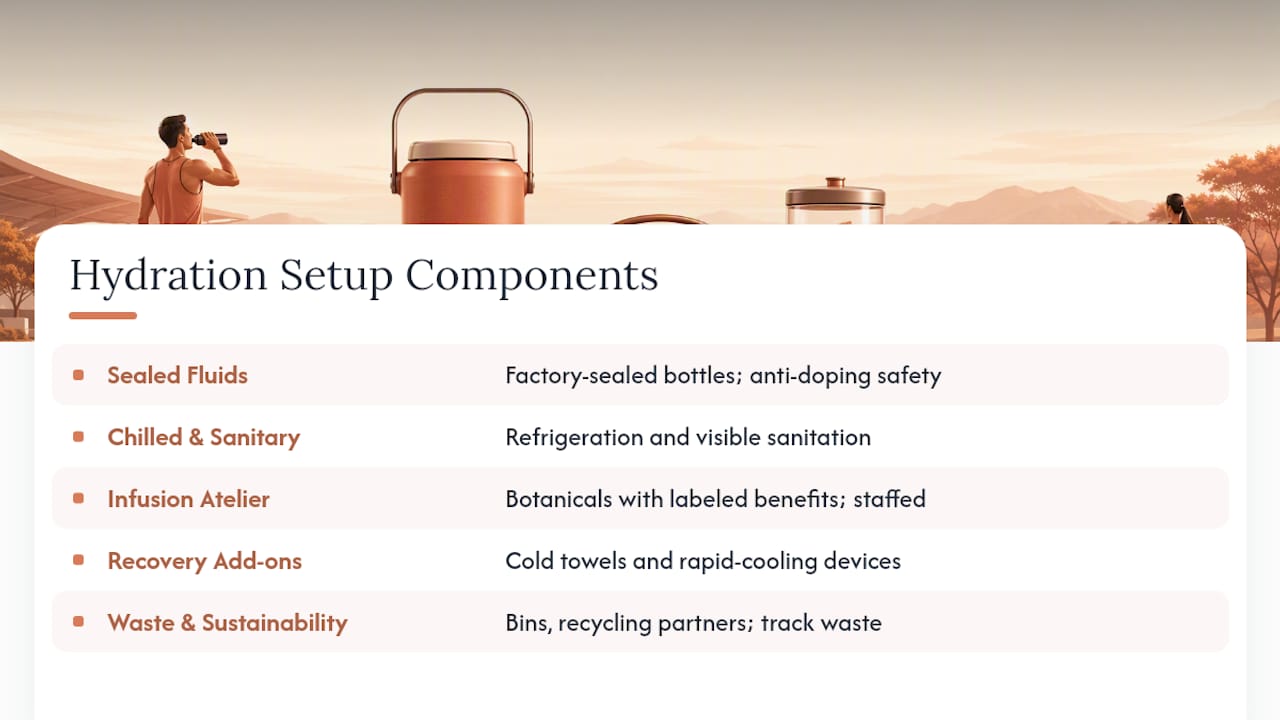
Chilled presentation and sanitation. Refrigeration units, measured serving sizes, and visible sanitation practices at the pour or hand-off point.
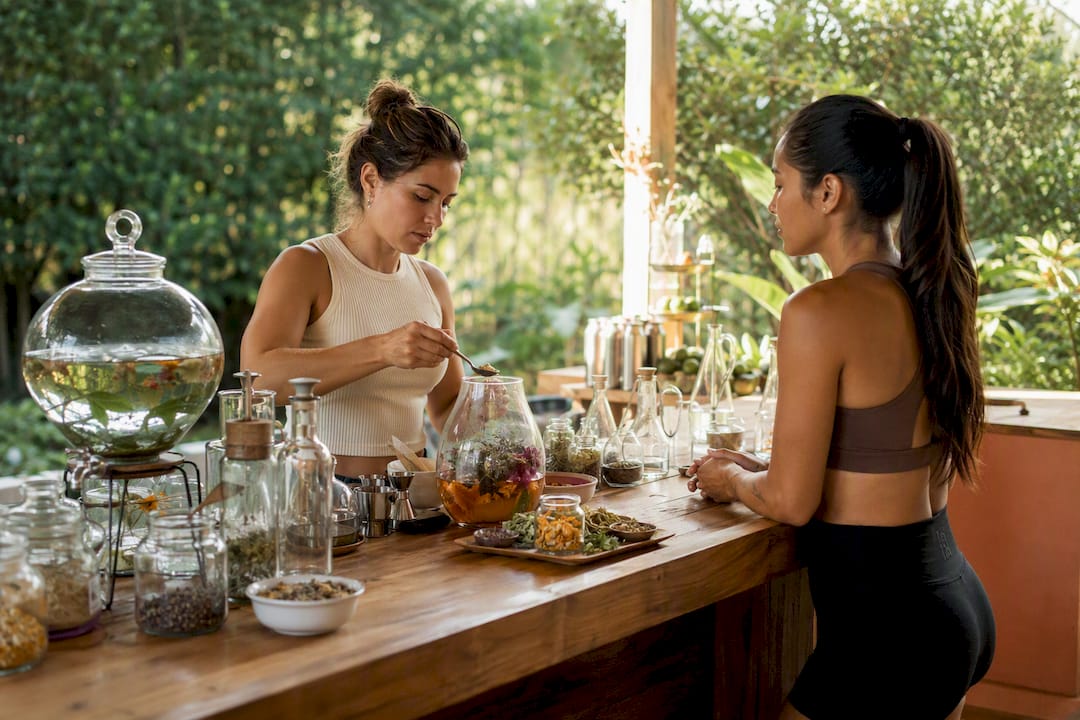
Infusion atelier elements. Botanical ingredients, clearly labeled functional benefits (recovery, electrolyte, calming), and a staff member who can customize a blend on request rather than pointing at a menu card. The Signature Hydration Atelier concept popularized this idea: guests build a personalized infusion guided by a specialist, which turns hydration into a moment instead of a task.
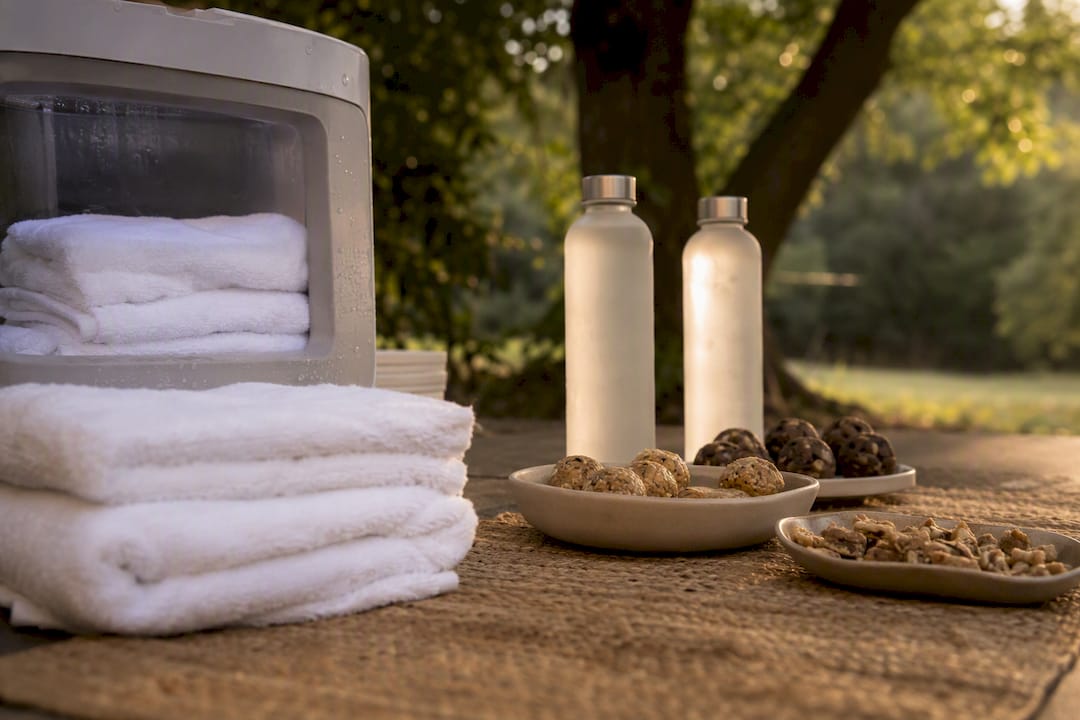
Recovery add-ons. Cold towels, rapid-cooling devices, and small protein or electrolyte snacks positioned near the station.
A waste and sustainability plan. Collection bins, recycling partners, and a count of what was consumed versus discarded.
Pro Tip: Ask any vendor proposing an infusion atelier to walk you through their labeling system. If they cannot explain how an athlete knows what is in a custom blend, that is a compliance gap waiting to happen.
Who Staffs a Hydration Station and What Do They Do?
Elite hydration service is a staffing exercise first, an equipment exercise second. A credible scope of work names roles, not headcounts alone.
Hydration specialist (or water sommelier). Runs the atelier, explains functional benefits, and keeps the presentation polished during service windows.
Medical liaison. Coordinates with the event’s athletic trainers or on-site physicians, tracks any athlete-specific fluid restrictions, and knows the escalation path if someone shows signs of heat stress.
Logistics lead. Owns refrigeration checks, stock counts, and bottle tracking so nothing runs short during peak service.
Runners. Restock the station and ferry sealed supplies from cold storage without disrupting guest flow.
A VIP athlete area typically warrants one specialist and one runner per 15 to 20 guests, with a dedicated medical liaison regardless of headcount. Volunteers can work a public 10K aid station. They cannot deliver the consistency an ultra-high-net-worth client or a professional athlete’s team expects, which is why Bonnie Rae staffs these roles with vetted, trained professionals rather than event-day recruits.
How Do You Keep an Athlete Hydration Station Compliant?
Safety here is not a checkbox. It is the difference between a smooth event and a liability conversation with an athlete’s agent.
Serve only sealed bottles, and follow World Athletics fluid-volume guidance of roughly 180 to 300 milliliters per serving when planning athlete-facing pours.
Place the station within sight or short reach of the event’s designated medical point, never in a corner that adds thirty seconds to a heat-emergency response.
Monitor conditions and stock hot and cold fluid options accordingly, especially outdoors, where heat-stress risk shifts through the day.
Enforce Legionella-prevention protocols on any refill or dispensing system used in multi-day hospitality suites.
Require vendors to provide traceable supplier documentation, refrigeration logs, and staff certifications in writing before the contract is signed.
Medical coordination should not be a courtesy call the morning of the event. World Athletics guidance treats hydration points as an extension of the medical network, meaning your hydration staff and the event’s athletic trainers need a direct communication line, not a shared hallway.
Quick reference: World Athletics recommends 180 to 300 milliliters per serving for competition-grade fluid planning, a figure worth handing directly to any vendor sizing your supply order.
How Do You Make Hydration Feel Like Hospitality, Not a Chore?
The functional requirements are non-negotiable. The presentation is where the station either reads as an afterthought or becomes one of the most talked-about touchpoints of the event.
Material choices matter more than most hosts expect. Chilled glass or ceramic vessels, discreet uniformed service flow, and a display that reads more spa than sideline all signal intention. The parallel to motorsport hospitality is instructive: designing a luxury Formula 1 suite requires treating refreshment stations as integrated architecture, not an add-on cart, and the same principle scales down to a private athlete lounge.
A short, functionally labeled menu works better than an exhaustive one, reflecting how convenience remains a top priority in business travel and guest experience.
Electrolyte blends for pre-performance
Recovery mixes with added minerals
Botanical infusions for guests who want flavor without the sports-drink taste
Staff scripting matters too. A specialist who can build a custom infusion in under a minute, using two or three guiding questions, keeps the line moving without sacrificing the personal touch. Pre-labeled bottles with athlete names or subtle event branding reduce mix-ups and, notably, reduce waste, since athletes are far less likely to abandon a bottle marked as theirs.
Pro Tip: Personalization does double duty here. A labeled bottle isn’t just a nice touch, it’s a compliance tool that keeps athletes drinking from a traceable, sealed source instead of grabbing an unmarked cup.
When Should You Book, and What Should It Cost?
Booking timeline and budget clarity separate a smooth production from a scramble.
Lead time. Begin contracting eight to twelve weeks out for a full athlete-concierge build, with menu sign-off and a site walk roughly three to four weeks before the event.
Budget tiers. A staffed basic setup covers sealed fluids and one specialist. A curated atelier adds infusion customization and recovery add-ons. A full athlete-concierge suite includes a dedicated medical liaison, branded presentation, and a multi-person roster.
Load-in and rehearsal. Schedule a refrigeration test the day before service and a staff walkthrough the morning of, mirroring the scale planning organizers used at the Atlanta 2020 Trials, where over 500 volunteers supported bottle handling and overnight refrigeration for personalized athlete fluids.
Supply counts. Order sealed fluids for guest count plus a 15 to 20 percent buffer, and confirm cold-storage capacity can hold the full order overnight.
On-event checklist. Confirm staff call times, verify delivery against the count, and schedule waste pickup before the venue turns over.
Why Presentation Changes How Athletes Actually Hydrate
Most hosts assume hydration is a solved problem once the bottles show up. It rarely is. Athletes skip stations that feel clinical or crowded, and VIP guests do the same when a setup looks like an afterthought wedged between the bar and the coat check.
What actually moves the needle is treating the station as a concierge touchpoint rather than a supply line. When a specialist greets an athlete by name and hands over a bottle already labeled for them, compliance goes up and waste goes down, because nobody is grabbing an anonymous cup out of habit. Bonnie Rae has watched this play out repeatedly across private athlete hospitality builds, and the pattern holds: presentation is not decoration layered on top of function, it is the mechanism that gets function to work in the first place. Our team explores this idea further in our piece on luxury event trends shaping hospitality, where personalization keeps surfacing as the expectation, not the exception.
If you are weighing whether a hydration atelier is worth the added staffing line, ask what happens without it. Usually, the answer is a warm cooler, an unattended table, and a guest experience that undersells everything else you paid for.
— Bonnie Rae
How Bonnie Rae Builds Your Hydration Station
Bonnie Rae designs and staffs athlete hydration stations as part of full-service event production, pairing water sommeliers and medical liaisons with the same presentation standard applied to florals, catering, and staffing across an event. An initial inquiry typically leads to a proposal, a site walk to confirm placement and refrigeration access, and a sample infusion menu built around your guest list.
Where a generic caterer treats hydration as an add-on, Bonnie Rae treats it as its own hospitality discipline, staffed, sourced, and styled to match an athlete-concierge or ultra-high-net-worth standard. That means one point of contact handling your hydration station alongside every other element of the event, instead of coordinating a separate vendor with a separate timeline. Browse recent builds on the Bonnie Rae portfolio or start the conversation directly on the Bonnie Rae home page to request a proposal for your next event.
Sources
Recommended
Comments